By Rosa Delgado — Independent Veterans Benefits Writer | Reviewed & updated August 9, 2026
Independent and non-government. This site is not affiliated with, endorsed by, or sponsored by the U.S. Department of Veterans Affairs (VA) or any government agency. For official information, visit VA.gov.
The Part of Recovery Nobody Warns You About
VA physical therapy after mesothelioma surgery is the phase most veterans and families are least prepared for, because almost all the attention before an operation goes to the operation itself. Chest surgery for mesothelioma is major surgery. Ribs are spread or resected, the diaphragm and chest wall may be involved, the lung is manipulated, and the body spends days or weeks doing very little. What follows is not simply “healing.” It is a rebuilding project involving breathing mechanics, shoulder and trunk movement, posture, walking tolerance, and stamina — and it responds to structured work in a way that waiting quietly at home does not.
This guide explains what rehabilitation generally looks like inside the Veterans Health Administration after thoracic cancer surgery: who provides it, how referrals typically happen, what the early weeks involve, what home programs look like, and what families should watch for. It is education, not medical advice. Every surgery is different, every veteran starts from a different baseline, and only your own surgical and rehabilitation team can tell you what is safe for you.
Part 1: What VA Physical Therapy After Mesothelioma Surgery Involves
Physical therapy in this setting is delivered by licensed physical therapists and physical therapist assistants working within VA’s rehabilitation services, often alongside occupational therapists, respiratory therapists, and nursing staff. The work is usually organized around four connected problems that thoracic surgery creates.
- Breathing mechanics. After chest surgery, patients instinctively take shallow breaths because deep ones hurt. Shallow breathing leads to poor lung expansion, retained secretions, and complications. Therapists teach deep-breathing technique, incentive spirometer use, splinted coughing (bracing the incision with a pillow), and positioning that makes breathing easier.
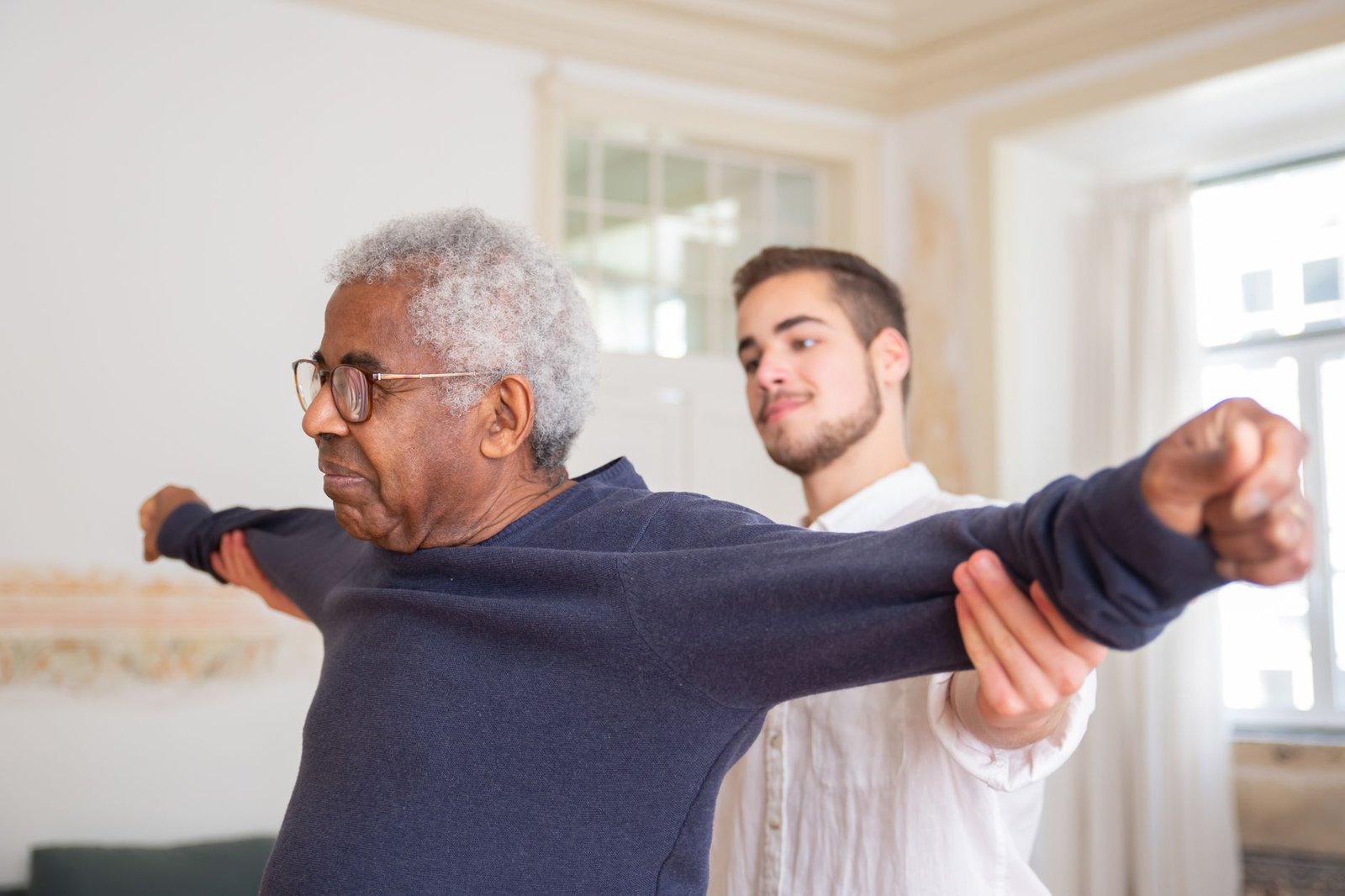
- Shoulder and chest wall mobility. A thoracotomy incision cuts through muscles that move the shoulder. Without early gentle range-of-motion work, patients commonly develop a stiff, guarded shoulder on the surgical side that is far harder to fix later than to prevent now.
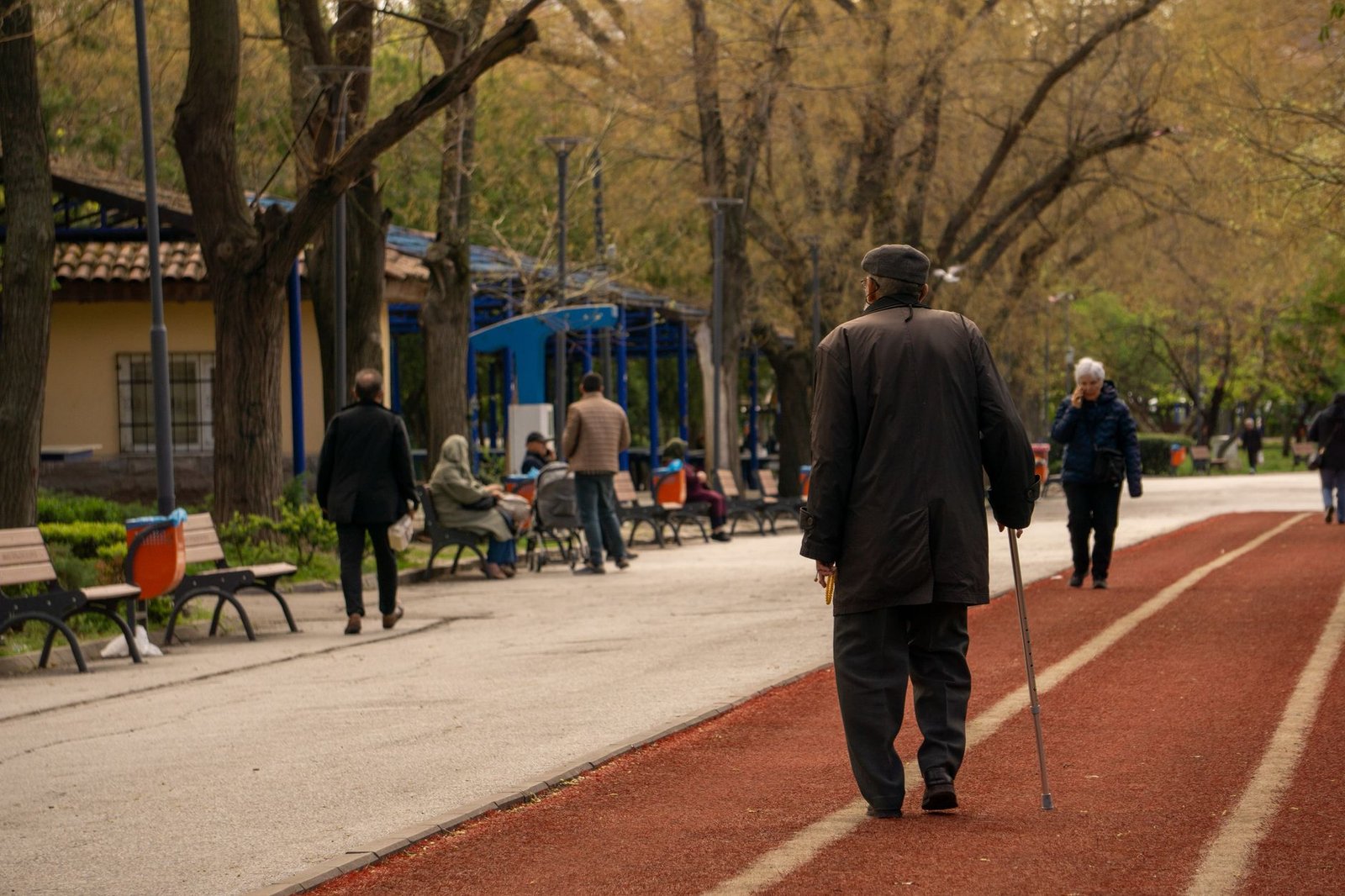
- Mobility and walking. Getting out of bed early and often is one of the most evidence-supported things a post-surgical patient can do. Therapists work on safe transfers, walking distance, stair technique, and later on endurance.
- Strength and conditioning. Muscle is lost quickly during hospitalization, especially in older adults. Progressive, carefully dosed strengthening rebuilds what immobility took.
A brief distinction is worth drawing. A structured, multidisciplinary pulmonary rehabilitation program is its own defined service — supervised exercise plus education for chronic lung conditions — and some veterans enter one after surgical recovery. Post-operative physical therapy is the earlier, more individualized work that begins in the hospital and continues at home. The two overlap and can follow one another, but they are not the same referral. Ask which one your team is recommending, and when.
Background on the surgical procedures themselves, including extrapleural pneumonectomy and pleurectomy with decortication, is covered in our overview of surgical options available to veterans, and VA’s general health services are described on the VA health care pages.
Part 2: Who Is Eligible, and How Referrals Generally Happen
Rehabilitation is a clinical service inside VA health care rather than a separately applied-for benefit. In practice that means the eligibility question is enrollment: a veteran enrolled in VA health care and receiving surgical care through VA can generally be referred to VA physical therapy. Enrollment rules, priority groups, and copay categories are on VA’s eligibility pages, and none of them turn on whether the cancer itself is service-connected — that question affects compensation and copay status, not clinical access.
Referrals typically originate in one of several ways:
- Automatically, in the hospital. After major thoracic surgery, physical therapy is usually ordered as part of standard post-operative care, often on the first day after the operation.
- At discharge. The discharge plan generally specifies outpatient physical therapy, home health therapy, or a home exercise program, depending on how the veteran is functioning.
- Later, on request. A veteran who was discharged without therapy and is struggling weeks later can ask primary care, the surgeon, or the oncology team for a referral. This happens frequently and is entirely reasonable.
- Through community care. Veterans who had surgery at a non-VA facility under authorized community care may receive rehabilitation there, at VA, or both, depending on the authorization.
Veterans who cannot safely travel may be candidates for home-based therapy or telerehabilitation visits, which VA has expanded substantially. Where transportation is the barrier rather than function, our guide to VA transportation programs for appointments covers van services and volunteer driver options. If you are unsure who is coordinating any of this, an oncology coordinator can usually sort it out — see our guide to cancer care coordination within VA.
Part 3: The First Days — Rehabilitation in the Hospital
Therapy usually begins far earlier than people expect, often within twenty-four hours of surgery. That surprises families, who reasonably assume rest is the priority. Early mobilization is standard practice in modern thoracic surgery because prolonged bed rest carries its own serious risks, including pneumonia, blood clots, pressure injuries, delirium, and rapid muscle loss.
Typical early-phase work includes sitting on the edge of the bed, standing with assistance, taking short supervised walks in the corridor while managing chest tubes and lines, using an incentive spirometer several times an hour while awake, learning to cough while splinting the incision with a folded pillow, and beginning gentle shoulder movement on the operated side. Therapists coordinate closely with nursing on pain timing — sessions are far more productive shortly after a dose of pain medication takes effect, and asking for that coordination is completely appropriate. Our guide to pain and symptom management through VA explains how those conversations generally go.
Pain control is not a luxury during rehab — it is the enabler. A patient who cannot take a deep breath because it hurts will not expand the lung, and a patient who will not stand because standing hurts will not walk. Tell the team plainly if pain is limiting the work, and ask about timing doses before therapy sessions.
Families often ask how long the hospital stay lasts. There is no single answer: it depends on the procedure, the surgeon’s protocol, chest tube management, complications, and the veteran’s baseline. What is more predictable is the discharge criteria — walking safely a certain distance, managing stairs if the home has them, adequate pain control on oral medication, and stable breathing. Therapists assess exactly those things, which is why their notes carry weight in discharge planning.
Part 4: Weeks Two Through Twelve — Building Back
The middle phase is where most of the real gains happen and where most people underestimate the timeline. Recovery from major thoracic surgery is commonly measured in months, not weeks, and progress is rarely linear. Good days and bad days alternate, and a setback does not erase prior progress.
A typical outpatient or home program in this phase works on several fronts at once. Walking is usually the backbone: short, frequent walks, gradually extended, tracked in a simple log. Breathing exercises continue, often with a spirometer and with paced-breathing and pursed-lip techniques that help with breathlessness. Shoulder and trunk range of motion progresses from gentle assisted movement toward full overhead reach. Posture work addresses the very common tendency to hunch protectively toward the surgical side. Light resistance work — bands, body weight, small weights — begins once the surgeon clears it, with lifting restrictions strictly observed until then.
| Roughly when | Common focus |
|---|---|
| Days 1-5 (hospital) | Sitting, standing, short walks, spirometer, splinted cough, gentle shoulder motion |
| Weeks 1-2 at home | Frequent short walks, breathing practice, daily range of motion, safe transfers |
| Weeks 3-6 | Longer walks, stairs, posture, expanding shoulder motion, light activity |
| Weeks 6-12 | Endurance, graded strengthening once cleared, return to daily tasks |
| Beyond 12 weeks | Maintenance, possible pulmonary rehab program, long-term conditioning |
These ranges are general illustrations, not a schedule anyone should hold themselves to. Veterans receiving chemotherapy or immune-based drug therapy after surgery often find that fatigue rises and falls with treatment cycles, and a sensible program flexes around that rather than fighting it. Rebuilding muscle also requires adequate protein and calories, which is why rehabilitation and nutrition are usually prescribed together — our guide to VA dietitian support during cancer treatment covers that side.

Part 5: What VA Physical Therapy After Mesothelioma Surgery Costs
Physical therapy is delivered as part of VA care rather than as a separate program with its own fee schedule. That means it falls under VA’s ordinary outpatient copay framework. As of the 2026 copay tables, outpatient copay amounts depend on priority group, service connection, and income category, and those figures are updated periodically — the reliable source is VA’s current copay rates page rather than a number heard secondhand. Many veterans pay nothing for care connected to a service-connected condition, and some pay nothing at all based on their enrollment category.
Equipment is a related question. Items such as walkers, canes, shower chairs, grab bars, hospital beds, and incentive spirometers are generally handled through VA’s prosthetics and sensory aids channels when a VA clinician prescribes them. Home modifications are governed by separate programs with their own rules. For veterans who need supplemental oxygen during activity, that equipment comes through the same prosthetics pathway — our home oxygen guide explains how delivery and setup generally work.
A practical note on paperwork: keep copies of your therapy evaluations and discharge summaries. Functional documentation of what a veteran can and cannot do is medical evidence. It is not a substitute for a claim, and clinical staff do not file claims, but if you are working with an accredited representative on a service-connection or rating question, those records are frequently relevant. The evidentiary side of asbestos-related claims, including how occupational exposure history is documented, is discussed in our guide to civilian shipyard exposure and VA claims. Objective breathing measurements often matter here too; see our explainer on pulmonary function testing.
Part 6: Home Programs, and Why They Matter More Than Clinic Visits
Most of the recovery work happens at home. A veteran might see a therapist once or twice a week; the other twelve or thirteen sessions each week are self-directed. Programs that succeed tend to share a few characteristics.
- They are written down. Ask for the program on paper or in your portal, with pictures if possible. Nobody remembers eight exercises after a fatiguing appointment.
- They are short and frequent. Ten minutes four times a day beats forty minutes once, especially early on, and is far more achievable on a bad day.
- They are tracked. A simple calendar with walking distance, exercises completed, and a one-to-ten breathlessness rating gives the therapist real data to adjust against.
- They have a defined progression. Ask specifically: what does “better” look like, and when should I increase?
- They have stop rules. Ask what symptoms mean stop and call, versus push through mild discomfort. This should never be guesswork.
Pacing is the skill that most separates a smooth recovery from a frustrating one. The classic pattern is boom-and-bust: a good day arrives, the veteran does everything that has been piling up, and then loses the next two days entirely. Spreading activity across the day, alternating demanding tasks with rest, and sitting for tasks that do not require standing all conserve energy for what matters. Therapists teach this explicitly, and occupational therapists in particular are excellent at it.
Breathlessness deserves specific mention. Feeling short of breath during graded activity is expected after lung surgery and is not, by itself, dangerous — but distinguishing expected exertional breathlessness from a warning sign is a clinical judgment. Have that conversation with your team before you are alone at home wondering.
Part 7: Special Situations and Common Complications
Extrapleural pneumonectomy. Removal of an entire lung along with pleura and often the diaphragm and pericardium is among the most demanding thoracic operations performed. Recovery is longer, exercise tolerance is permanently changed, and rehabilitation focuses heavily on efficiency of movement and breathing technique rather than restoring pre-surgical capacity.
Lung-sparing procedures. Pleurectomy with decortication preserves the lung, and functional recovery is often better, though the chest wall work is still substantial and shoulder stiffness remains a common issue.
Peritoneal surgery. Cytoreductive surgery with heated intraperitoneal chemotherapy involves the abdomen rather than the chest. Rehabilitation shifts toward core stability, walking tolerance, abdominal lifting restrictions, and managing prolonged fatigue and nutritional issues.
Persistent post-surgical pain. Nerve-related chest wall pain after thoracotomy is well documented and can persist for months. It is treatable and should be reported rather than endured, because unmanaged pain reliably suppresses activity and slows recovery.
Frozen shoulder. The most preventable common complication. Early, consistent, gentle range-of-motion work on the surgical side is the best protection. If the shoulder is stiffening, say so at the next appointment rather than waiting.
Deconditioning in older veterans. Muscle loss during hospitalization is faster and harder to reverse in older adults, which is exactly why early mobilization and adequate protein intake matter so much in this population.
General patient-level background on surgical recovery and rehabilitation is available from the National Cancer Institute, the American Cancer Society, and Mayo Clinic. If you are weighing whether a planned surgical approach is right for you at all, our guide to obtaining an additional expert opinion explains how that generally works.
Part 8: What Families Should Know About VA Physical Therapy After Mesothelioma Surgery
Families shape recovery more than they realize, mostly through a hundred small decisions about when to help and when to step back.
Attend an appointment. Watching a therapy session teaches you what safe assistance looks like — how to guard someone walking, how the transfers work, what “too much” appears like in practice. It is worth one trip.
Resist the urge to do everything. Love expresses itself as helpfulness, and helpfulness can quietly decondition a patient. If the therapist says he should walk to the mailbox, he should walk to the mailbox. Supervise rather than substitute.
Set the house up first. Before discharge, clear walking paths, remove loose rugs, add lighting on the route to the bathroom, and put frequently used items at waist height. Ask about grab bars and a shower chair if balance is an issue.
Know the numbers to call. Ask the discharge team explicitly which symptoms warrant an urgent call versus a routine message, and write the numbers on the refrigerator. Fever, increasing shortness of breath, chest pain, wound changes, and calf swelling are typically on the urgent list, but confirm with your team.
Expect mood to be part of it. Recovery is slow, and slow recovery is discouraging. Frustration, irritability, and low mood are common and are legitimate reasons to ask for support — through VA mental health, social work, or VA chaplain services. If children are in the household, our guide to explaining a diagnosis to children may help with the conversations that come up during a long recovery.
Keep records and preferences current. Long recoveries are a sensible moment to make sure care wishes are documented, which our advance directive guide covers, and to make sure you can actually see notes and message the team through the VA patient portal.
Frequently Asked Questions
How soon does therapy start after chest surgery?
Often within a day of the operation. Modern thoracic surgery practice emphasizes early mobilization because prolonged bed rest raises the risk of pneumonia, blood clots, and rapid muscle loss. The first sessions are modest — sitting up, standing, a short supervised walk, breathing exercises — and are coordinated with nursing so pain medication is working when therapy happens. If you have not seen a therapist by day two and no one has explained why, it is reasonable to ask.
How long does recovery take?
Longer than most people expect, and it varies enormously with the procedure, the veteran’s baseline fitness, age, other medical conditions, and whether additional treatment follows. Recovery from major thoracic cancer surgery is commonly measured in months. Progress is not linear; good weeks and hard weeks alternate. Rather than fixing on a date, track function — walking distance, stairs managed, tasks resumed — and discuss realistic goals with your surgical and rehabilitation team.
Does VA cover physical therapy at home?
Home-based rehabilitation and telerehabilitation are available at many VA facilities, particularly for veterans who cannot travel safely or live far from a medical center. Whether it is offered in your case depends on clinical need, local program availability, and how your care is authorized. Ask the discharge planner or your VA coordinator specifically about home health therapy and video-based options rather than assuming outpatient clinic visits are the only route.
Is physical therapy the same as pulmonary rehabilitation?
No. Post-operative physical therapy is individualized work that begins in the hospital, focused on breathing mechanics, mobility, shoulder motion, and early strength. Pulmonary rehabilitation is a structured, multidisciplinary program of supervised exercise and education for chronic lung conditions, usually entered later. Many veterans do one and then the other. Ask your team which they are recommending, when, and what the referral requires, because the two are separate orders.
What if I am also receiving chemotherapy?
Rehabilitation and systemic treatment routinely happen together, but the program usually needs to flex around treatment cycles, since fatigue and blood counts fluctuate. Tell your therapist your infusion schedule so sessions can be timed to better days. Some symptoms — significant fatigue, low blood counts, infection, or neuropathy — change what is safe, so keep both teams informed. Never adjust treatment on your own to accommodate an exercise plan.
Can I use a private gym or trainer instead?
General fitness has real value, but it is not a replacement for supervised post-surgical rehabilitation, and a commercial trainer will not know your lifting restrictions, incision status, or breathing limitations. If you want to continue at a gym after being discharged from therapy, ask your therapist to review your plan first and to spell out restrictions clearly. Many veterans transition to independent exercise successfully once the early phase is complete.
What symptoms mean I should stop and call?
Ask your own team for a personalized list, because it depends on your surgery. Commonly flagged issues include chest pain, shortness of breath that is new or out of proportion to your activity, fever, wound redness or drainage, dizziness or fainting, and calf pain or swelling. Knowing your specific stop rules before discharge, in writing, is one of the most useful things you can leave the hospital with.
Will therapy notes help with a VA claim?
Clinical documentation of function can be relevant evidence, but therapy notes are records, not claims, and clinical staff do not file or decide claims. If you are pursuing a service-connection or rating question, work with a VA-accredited representative — a Veterans Service Officer, accredited claims agent, or accredited attorney — who can advise on what evidence matters in your particular situation. Keeping copies of your evaluations and discharge summaries is sensible regardless.
Resources
- VA Health Care — how VA clinical services, including rehabilitation, are organized.
- VA Health Care Eligibility — enrollment and priority groups.
- VA Copay Rates — current copay tables, updated periodically.
- VA Facility Locator — clinic and rehabilitation department phone numbers.
- My HealtheVet — secure messaging, appointments, and records.
- VA asbestos exposure information — VA’s official asbestos claims page.
- National Cancer Institute — plain-language treatment and recovery information.
- American Cancer Society — survivorship, exercise, and caregiver resources.
- Mayo Clinic — patient-level explanations of thoracic procedures and recovery.
Finding a Veterans Service Officer. Benefits claims are handled by VA-accredited representatives, not by clinical staff, and their help is free. Service officers from the VFW, DAV, American Legion, and Vietnam Veterans of America are stationed at many VA medical centers and at county veterans service offices, and VA maintains a searchable directory of accredited representatives at its accredited representative page.
Final Thoughts: Progress Is Measured in Weeks, Not Days
Recovery from thoracic cancer surgery asks for a kind of patience that most people find genuinely difficult. The work is repetitive, the gains are small, and the difference between one week and the next can be hard to see from inside it. That is exactly why written programs, activity logs, and honest conversations with a therapist matter — they make invisible progress visible.
Veterans who came up through military training already understand the underlying principle: consistent effort applied over time beats bursts of intensity followed by collapse. Walk a little farther this week than last. Do the shoulder exercises even on the days when nothing hurts, because that is what keeps the shoulder from stiffening. Eat enough to give the body something to rebuild with. Ask for pain control so the work is possible at all.
And ask for help early rather than late. A referral requested in week two is far easier to act on than a problem allowed to set for three months. VA rehabilitation staff do this every day, they are used to working with older patients recovering from major operations, and reaching them usually takes one clear sentence to the right clinic.
Medical disclaimer: This article is for informational purposes only and is not medical advice, diagnosis, or treatment. Consult a licensed physician or your VA care team about your specific situation.
Legal disclaimer: This article is for general information only and is not legal advice and does not create an attorney-client relationship. Consult a VA-accredited attorney, claims agent, or a Veterans Service Officer (VSO) about your specific claim.